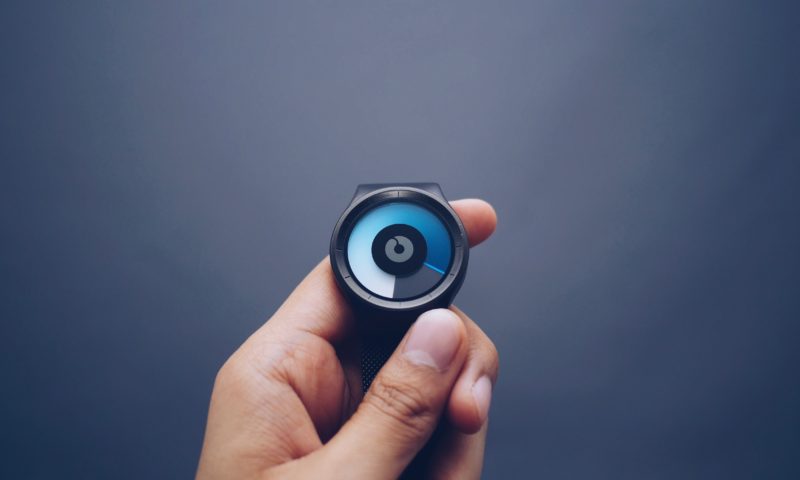
A fitness tracker is a modern bit of technology designed specifically to help people enhance their fitness. It can be a very helpful tool for reaching your goals, but is it necessary?
How Can a Fitness Tracker Help?
These wearable pieces of technology have come a long way since the simple pedometer most of us have used. Now, fitness trackers can measure heart rate, steps taken, exercise type, duration, intensity, distance traveled, calories expended, perspiration, sleep patterns and more!
Have you ever completed a workout and questioned its effectiveness? You’re not alone. Many people struggle in crafting the more knowledge about their workout because they don’t have a clear set of goals based upon their current fitness level and health status. Having a fitness tracker can help you monitor your progress and determine what types of exercise you ought to be be doing, how often, how long and just how intense. They act as your guide on the way!
However, fitness trackers can range anywhere from $50 – $2000. Making this type of purchase can be quite the investment, so you should be well informed before doing so. Having a number of different brands, styles featuring to choose from, picking between them can be tricky.
What to Consider
Should you purchase a fitness tracker for your workouts? Consider these important points:
Financial Investment
Do you have the money to put aside for a fitness tracker? If making this purchase would do damage to your bank account, perhaps now is not the best time. There are other ways to track your fitness level and monitor your workouts, especially if you are using advanced equipment such as what most gyms offer. For those who have some money to spare, however, and also you want the benefits that a fitness tracker offers, consider how much you are able to spend and browse trackers for the reason that price range.
Usefulness
The worse thing you could do this is invest in a fitness tracker simply to have it sitting on your nightstand for weeks on end. Is this something you would use daily or weekly? Are you currently committed to exercising enough for a tracker to come in handy? Consider your goals, habits and daily activities before you decide to invest in a fitness tracker for the workouts.
Individual Goals
What are your goals for fitness? If you are primarily concerned with gradually increasing your fitness level, now may not be the best time to make an investment in a fitness tracker. But when you are working on a more specific goal for example improving your cardiovascular fitness, a fitness tracker can help. Consider your purpose and what you want to accomplish.
Features and Specs
Have you decided a fitness tracker is right for you, but you’re unsure what to look for when making a purchase? Consider features such as accompanying app software, battery life, syncing capabilities, design, water-resistant vs. water proof, cost, display and tracking features. Again, consider your purpose!
Conclusion
If you are looking for additional help during exercise, a fitness tracker might be a great purchase! Prior to you making the investment however, ask yourself if this really is something you will use for a long time and if it is useful for your specific weight, overall health goals.