
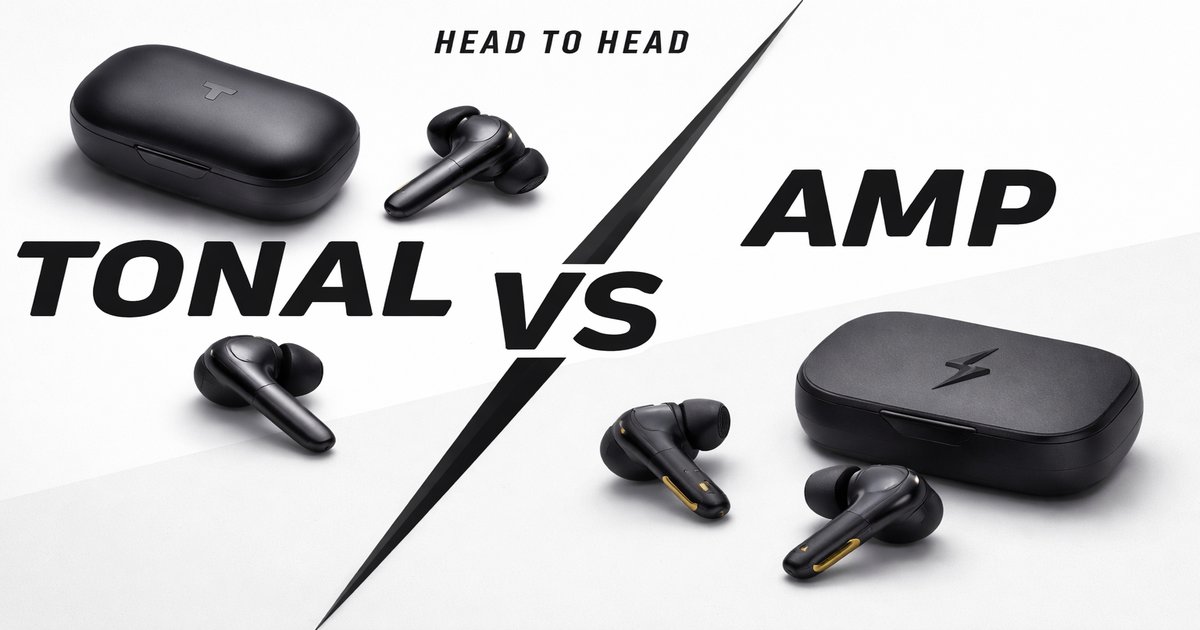
So you’ve decided to up your home gym game, but now you’re stuck between Tonal and AMP. Both promise to revolutionize your workouts with digital weights and smart training. Let’s cut through the hype and figure out which one should really have a spot on your wall.
| Feature | Tonal | AMP |
|---|---|---|
| Price | $2,995 + $49/month subscription | $2,495 + $39/month subscription |
| Max Resistance | 200 lbs | 150 lbs |
| Screen Size | 24-inch | 22-inch |
| Smart AI Coaching | ✓ | ✓ |
| Live Classes | ✗ | ✓ |
| Dimensions | 21.5” W x 50.9” H | 19” W x 45” H |
| Accessory Kit | ✓ (extra cost) | ✓ (included) |
✅ tonal Pros
- Higher max resistance at 200 lbs.
- More advanced AI for personalized workouts.
- Sleek design fits well into modern interiors.
❌ tonal Cons
- Pricier up front and per month.
- No live class feature.
- Accessory kit costs extra.
✅ amp Pros
- Less expensive both initially and monthly.
- Includes live classes for real-time interaction.
- Accessory kit included in purchase price.
❌ amp Cons
- Lower max resistance at 150 lbs.
- Smaller screen at 22 inches.
- AI coaching is not as advanced as Tonal’s.
Performance
Tonal takes the cake when it comes to raw performance. With a max resistance of 200 lbs, it’s better suited for those who are serious about strength training. The advanced AI adjusts to your progress, ensuring you’re always challenged. AMP, while respectable, caps at 150 lbs, making it more suitable for beginners or those focusing on endurance rather than building massive strength. If you’re the kind of person who wants to push boundaries and see measurable gains, Tonal’s superior resistance and coaching make it the better performance pick.
Build Quality
Both devices are built to impress, but Tonal scores higher on the sleekness scale. Its modern aesthetic doesn’t just make it a piece of fitness equipment; it becomes a statement in your home gym. AMP, on the other hand, while compact, feels more like a traditional piece of gym equipment. The screen size difference is minor but noticeable when you’re following along with workouts. If your gym doubles as a social media backdrop, Tonal’s design will win you more likes.
Value
AMP wins in terms of value for money. With a lower upfront cost and subscription fee, it’s a smart choice for those who want an all-in-one gym experience without breaking the bank. Plus, the included accessory kit is a nice touch. Tonal, however, justifies its higher price with more features and greater performance, but you have to be willing to pay for that premium experience. If you’re on a tight budget, AMP offers excellent value with its live classes and included accessories.
Both systems are wall-mounted, which means you need a solid setup space. Don’t underestimate the installation process—it’s not just a plug-and-play scenario. Plus, subscription fees add up, so consider if you’ll actually use all the features before committing. These aren’t just one-time purchases; they’re ongoing commitments.
Our Final Verdict: Which One Should You Buy?
If you’re a serious athlete or someone who prioritizes high performance and cutting-edge technology, Tonal is worth the investment. Its advanced AI and higher resistance will keep you on your toes. However, if you’re more budget-conscious and want a well-rounded fitness experience with a touch of community, AMP is the better choice. Its live classes and included accessories make it ideal for beginners or casual fitness enthusiasts looking to get the most bang for their buck.
Can I install these systems in a rented apartment?
Both systems require wall mounting, which might be an issue in a rental. Check with your landlord and ensure you have the right setup.
How do these systems hold up over time?
Both Tonal and AMP are built to last, but regular maintenance and software updates are key to longevity. Make sure to follow the care instructions.
Are the monthly subscriptions really necessary?
Yes, the subscriptions are essential for accessing the full range of features, including AI coaching, personalized workouts, and live classes.