
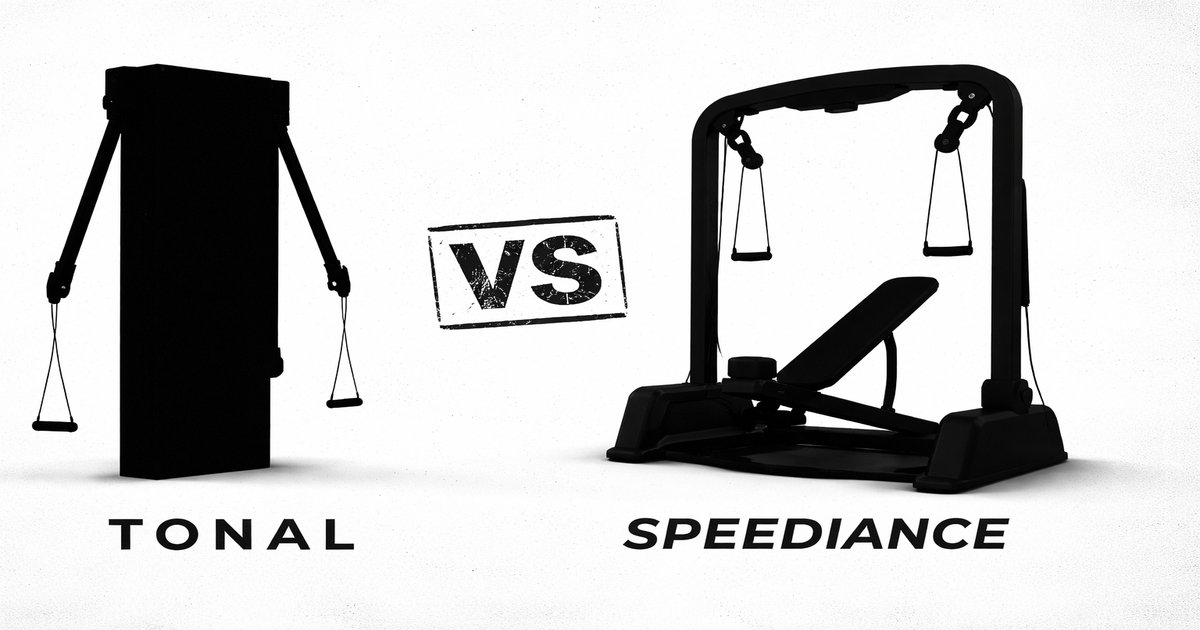
You’ve finally decided to ditch the gym membership and create a home gym. But wait, do you go for Tonal with its sleek design and AI smarts, or Speediance, promising a comprehensive workout experience? Let’s break it down so you make the best choice for your fitness goals.
| Feature | Tonal | Speediance |
|---|---|---|
| Max Resistance | 200 lbs | 220 lbs |
| AI Personalization | ✓ | ✗ |
| Footprint | 2′ x 7′ | 4′ x 6′ |
| Subscription Required | ✓ | ✗ |
| Screen Size | 24-inch | 15.6-inch |
| Price | $2,995 | $2,499 |
✅ tonal Pros
- AI technology provides tailored workouts.
- Sleek, wall-mounted design saves space.
- Large touch screen enhances user interaction.
❌ tonal Cons
- Requires ongoing subscription for full features.
- Price tag is quite steep.
- Installation can be cumbersome.
✅ speediance Pros
- No subscription required for full use.
- Higher max resistance for strength training.
- More affordable upfront cost.
❌ speediance Cons
- Bulky design takes up more space.
- Smaller screen can limit workout visibility.
- Lacks AI-driven workout personalization.
Performance and Features
Tonal shines with its AI personalization, which adapts workouts based on your performance and goals. Its 200 lbs max resistance is ample for most users. But if you’re a heavy lifter, you might find Speediance’s 220 lbs more appealing. Tonal’s large screen offers an immersive experience with interactive workouts, while Speediance’s smaller screen can feel a bit cramped. However, Speediance doesn’t skimp on workout variety, offering a robust set of options despite the lack of AI customization.
Build Quality and Footprint
Tonal’s wall-mounted design is a space-saver, perfect for small apartments. Its modern look is a bonus if aesthetics matter to you. Installation is a bit of a hassle, requiring professional help. Speediance, on the other hand, occupies more real estate but is easier to set up. It’s less about style and more about function, but if you have the space, it’s a worthy contender. Its sturdy build assures longevity, even if the design isn’t as sleek.
Value for Money
Tonal comes with a hefty price tag and a subscription model, which can add up over time. You’re paying for innovation and a premium experience, which might be worth it if you value cutting-edge technology. Speediance offers a more budget-friendly option with no ongoing fees. It’s ideal if you want a solid workout machine without the frills. You’re not getting the AI perks, but you are getting dependable performance and higher resistance at a lower cost.
While Tonal’s AI is impressive, it’s not a magic bullet. It won’t replace the motivation and discipline needed to stick to a program. Speediance, although cheaper, might require you to be more self-directed in your workouts. Neither option will make you fit without your own effort.
Our Final Verdict: Which One Should You Buy?
If you’re a tech enthusiast who loves data-driven workouts and sleek design, Tonal is your go-to. It’s perfect for those who want a personalized fitness journey and don’t mind paying for it. On the other hand, if you’re looking for a cost-effective, reliable workout machine without the bells and whistles, Speediance is your best bet. It’s ideal for strength-focused users who value functionality over tech flair.
Is Tonal compatible with all wall types?
Tonal requires a studded wall for installation, which can be a limitation if your space doesn’t have traditional studs.
How long does Speediance last?
With proper use and maintenance, Speediance is built to last for years, offering a solid return on investment.
Do I need a subscription for Tonal?
Yes, a subscription is needed to access all features, including personalized workouts and live classes.