
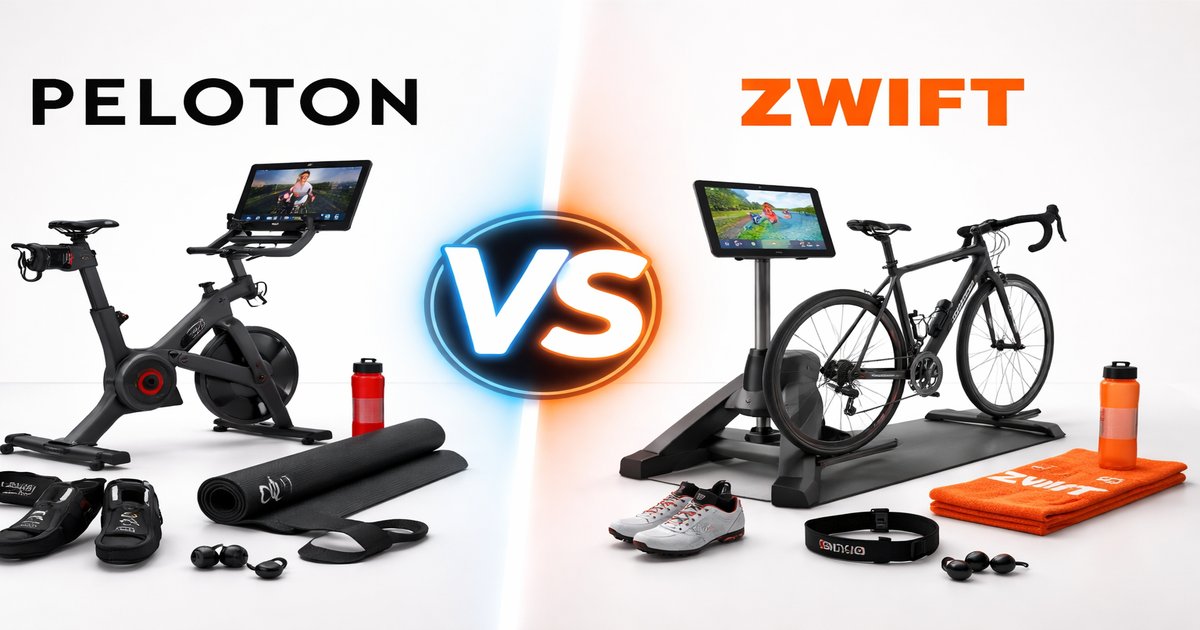
You’ve decided to take your cycling indoors, but now you’re stuck between Peloton and Zwift. Both promise to revolutionize your workout experience and connect you with a community, but they offer different paths to the same sweaty destination. Let’s cut through the noise and see which one fits your lifestyle better.
| Feature | Peloton | Zwift |
|---|---|---|
| Hardware Included | Bike | ✗ |
| Subscription Cost | $44/month | $14.99/month |
| Live Classes | ✓ | ✗ |
| Virtual Worlds | ✗ | ✓ |
| Community Features | Leaderboard, Social Media Integration | Group Rides, Races |
| App Compatibility | iOS, Android | iOS, Android, PC, Mac |
| Initial Investment | $1,445+ | Varies (depends on bike/trainer) |
✅ peloton Pros
- Integrated hardware and software for a seamless experience.
- Live and on-demand classes with top-notch instructors.
- Strong community and motivational leaderboards.
❌ peloton Cons
- High cost of entry with the bike and subscription.
- Less flexibility in terms of virtual environment customization.
✅ zwift Pros
- Immersive virtual worlds and diverse terrains.
- Lower subscription cost and flexible hardware options.
- Excellent for competitive riders with group rides and races.
❌ zwift Cons
- Requires additional hardware like a smart trainer or sensors.
- No live instructor-led classes.
Performance and User Experience
Peloton offers a polished, all-in-one experience that includes a high-quality bike and a robust library of live and on-demand classes. It’s perfect if you thrive on instructor motivation and a structured workout schedule. Zwift, on the other hand, is like a video game for cyclists who love exploring virtual worlds. The variety of terrains and the competitive edge of group rides make it ideal for those who get bored easily and want a dynamic workout.
Build Quality and Hardware
Peloton’s bike is a sturdy piece of equipment that feels like it belongs in a high-end gym. It’s perfect for those who appreciate a solid, integrated setup with minimal fuss. Zwift doesn’t come with hardware, which can be a blessing or a curse. You can use any compatible bike and trainer, giving you the flexibility to upgrade or use existing equipment, but it requires more effort to get started.
Value for Money
Peloton is a hefty investment upfront, but you’re paying for a premium, hassle-free experience. If you’re committed to using it multiple times a week, it can be worth the splurge. Zwift is easier on the wallet monthly, but doesn’t include the bike or trainer. If you already own a bike or prefer customizing your setup, Zwift gives you excellent value for the immersive experience it offers.
Peloton can feel like you’re locked into their ecosystem, which might not sit well if you like mixing things up. Zwift’s graphics might not blow you away, especially on older devices. Both require a strong internet connection; a hiccup there and you might end up cursing your Wi-Fi instead of enjoying your ride.
Our Final Verdict: Which One Should You Buy?
If you’re someone who thrives on structure, accountability, and can afford the upfront cost, Peloton is your go-to. It’s ideal for busy professionals or anyone who loves the energy of live classes. Zwift is perfect for the tech-savvy, adventurous cyclists who want a more budget-friendly option and love the idea of competing in virtual races. If you already own a bike and want the flexibility to explore, Zwift is the way to go.
Can I use my own bike with Peloton?
No, Peloton requires its own bike, which is part of what makes it a seamless, integrated experience.
Is Zwift compatible with any bike?
Yes, you can use Zwift with most bikes, but you’ll need a compatible trainer or a smart bike for the best experience.
How long can I expect these setups to last?
Both systems are built to last, but Peloton bikes are sturdy and come with a warranty. Zwift’s longevity depends on the quality of your bike and trainer.