
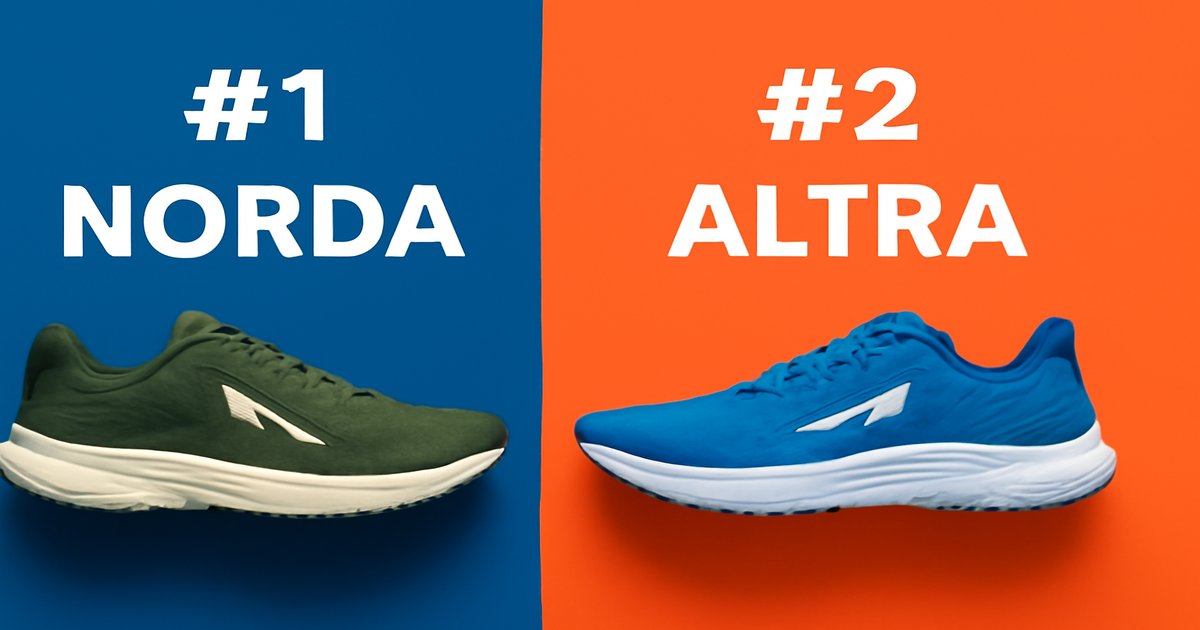
You’ve been pounding the pavement for months, and it’s time to upgrade those worn-out running shoes. But with so many options out there, how do you choose? Let’s break down the differences between norda and Altra to find out which one deserves a spot in your running rotation.
| Specification | norda | Altra |
|---|---|---|
| Weight (Men’s Size 9) | 8.9 oz | 9.6 oz |
| Heel-to-Toe Drop | 4 mm | 0 mm |
| Upper Material | Dyneema® | Engineered Mesh |
| Water Resistance | ✓ | ✗ |
| Cushioning | Moderate | High |
| Price Range | $270 – $300 | $130 – $160 |
✅ norda Pros
- Exceptional durability with Dyneema® upper.
- Water-resistant for those rainy runs.
- Lightweight construction keeps you nimble.
❌ norda Cons
- Pricey compared to similar models.
- Limited cushioning for longer runs.
- Takes time to break in the upper material.
✅ altra Pros
- Zero-drop promotes a more natural foot strike.
- Ample cushioning for long-distance comfort.
- More affordable price point.
❌ altra Cons
- Heavier than some competitors.
- Lacks water resistance.
- Some runners may find the zero-drop uncomfortable initially.
Performance
Norda’s Dyneema® upper is a game-changer for durability. If you’re the type who takes your runs off the beaten path, this is your rugged trail companion. It’s water-resistant, so a little rain won’t stop you. However, the moderate cushioning could leave you wishing for more support on longer runs. Altra, on the other hand, is all about comfort and natural running form. The zero-drop design encourages a forefoot strike, making it ideal for those who value a barefoot feel. Yet, the extra cushioning comes at the cost of added weight, which might not suit speed demons.
Build Quality
When it comes to build quality, norda shines with its high-tech materials. The Dyneema® upper doesn’t just resist the elements; it practically laughs in their face. This shoe is built to last, but be prepared for a break-in period. Altra’s engineered mesh is breathable and comfortable straight out of the box, but it doesn’t offer the same resilience against harsh conditions. It’s a shoe designed with the average road run in mind, rather than conquering nature’s obstacles.
Value
Price is where these two brands diverge significantly. Norda demands a premium, but you’re paying for advanced materials and durability. For runners who log serious mileage in tough conditions, it’s worth it. Altra delivers value through comfort and affordability. If you’re a road runner or someone just getting into the sport, Altra won’t empty your wallet while still offering a solid running experience.
Norda shoes require a break-in period, so don’t expect them to feel perfect on day one. Also, the price tag is steep, but it’s a long-term investment if you’re a serious runner. Altra’s zero-drop might take some getting used to; ease into it to avoid calf strain. Both brands have specific strengths, so match them to your running style and needs.
Our Final Verdict: Which One Should You Buy?
If you’re an adventurous runner who needs a shoe to withstand harsh conditions, norda is your pick. It’s built for durability and performance, but be ready to pay for that privilege. Meanwhile, if you’re a road warrior looking for comfort and affordability, Altra is a smart choice. Its zero-drop design encourages a natural stride, perfect for those who value form and comfort over ruggedness.
How does the fit compare between norda and Altra?
Norda tends to have a snugger fit due to its durable materials, while Altra offers a roomier toe box thanks to its FootShape™ design.
Are these shoes suitable for marathon distances?
Altra, with its extra cushioning, is better suited for marathon distances. Norda can handle long runs but might lack the plushness some prefer for such events.
What about longevity? Which shoe lasts longer?
Norda’s Dyneema® material offers superior longevity, especially in rough conditions. Altra is durable for road use but may wear faster on demanding trails.