
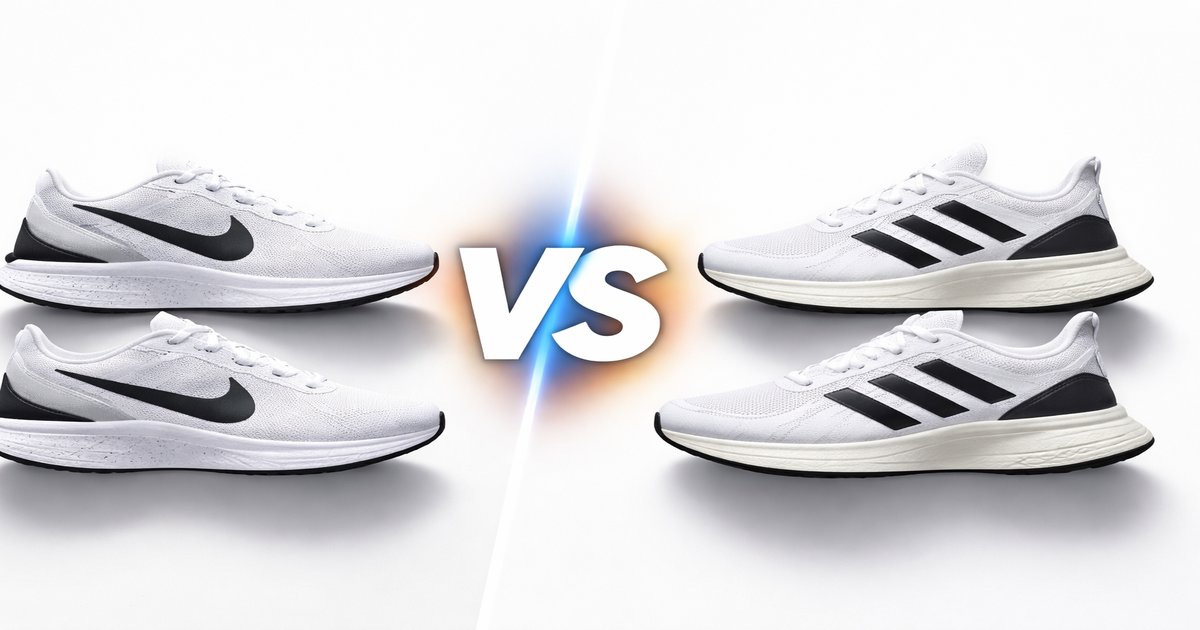
You’re hitting the pavement, ready to elevate your run, but your old kicks just aren’t cutting it anymore. Enter the age-old rivalry: Nike vs. Adidas. Which brand will give you the edge you crave, whether you’re sprinting, training, or just trying to look fly?
| Feature | Nike Shoes | Adidas Shoes |
|---|---|---|
| Price Range | $70 – $250 | $60 – $230 |
| Technology | React, Air | Boost, Adiprene |
| Comfort | ✓ | ✓ |
| Durability | ✓ | ✓ |
| Style Variety | ✓ | ✓ |
| Sustainability | ✗ | ✓ |
| Weight | Varies (lightweight options) | Varies (lightweight options) |
✅ nike shoes Pros
- Wide range of styles for every taste.
- Innovative cushioning technologies like React and Air.
- Durable construction that withstands heavy use.
❌ nike shoes Cons
- Higher price point compared to some competitors.
- Less focus on sustainability.
- Some models can feel too narrow for wider feet.
✅ adidas shoes Pros
- Known for comfort with Boost and Adiprene technologies.
- Strong commitment to sustainable materials and practices.
- Generally more affordable options.
❌ adidas shoes Cons
- Style can be hit or miss depending on personal taste.
- Some models might not offer enough support for serious runners.
- Less variety in high-performance athlete shoes.
Performance On The Track
Nikes are often the go-to for serious athletes who value technology that enhances performance. The Air Zoom Pegasus, for instance, offers a responsive ride that’s perfect for speedwork and long-distance running. Adidas, with its Boost technology, excels in comfort, providing a soft, cushioned landing ideal for those recovery runs or daily jogs. If you’re looking to shave seconds off your time, Nike’s tech edge might suit you better. However, for those prioritizing comfort over performance, Adidas offers a plush ride that’s hard to beat.
Build Quality and Durability
Both Nike and Adidas deliver shoes that are built to last, but they go about it a bit differently. Nike often uses a combination of synthetic and mesh materials, adding durability with a lightweight feel. The Flyknit series is particularly robust, providing a snug fit without sacrificing longevity. Meanwhile, Adidas focuses on sustainable materials, with shoes like the Parley series made from upcycled plastic waste. If eco-friendliness is a priority, Adidas edges out with its commitment to sustainability without compromising on durability.
Value for Money
When it comes to value, Adidas often takes the lead with more budget-friendly options that don’t skimp on quality. Their shoes offer good cushioning and support at a lower price point, making them accessible to a wider audience. On the other hand, Nike’s premium pricing is usually justified by its cutting-edge technology and broad appeal. If you’re willing to invest in high-tech features and sleek designs, Nike might be worth the splurge. But if you’re budget-conscious and still want reliable performance and comfort, Adidas could be your best bet.
While both brands deliver on their promises, watch out for Nike’s tendency to run narrow, which can be uncomfortable for those with wider feet. Adidas’ focus on sustainability is commendable, but not all models provide the support needed for high-impact sports. Always try them on if you can.
Our Final Verdict: Which One Should You Buy?
If you’re a performance-driven athlete with a taste for the latest tech, Nike is your best bet. Their innovative designs and responsive materials will keep you ahead of the pack. For those who prioritize comfort, sustainability, and affordability, Adidas is the way to go. Their shoes are perfect for casual runners and environmentally-conscious buyers looking for a reliable everyday option.
Do Nike shoes fit true to size?
Nike shoes tend to run narrow, so it might be wise to try them on or consider sizing up if you have wider feet.
Are Adidas shoes good for long-distance running?
Adidas shoes, especially those with Boost technology, offer excellent cushioning, making them a solid choice for long-distance running.
How long do these shoes typically last?
Both Nike and Adidas shoes generally last 300-500 miles, depending on usage patterns and care. Adidas’ use of sustainable materials does not compromise durability.