
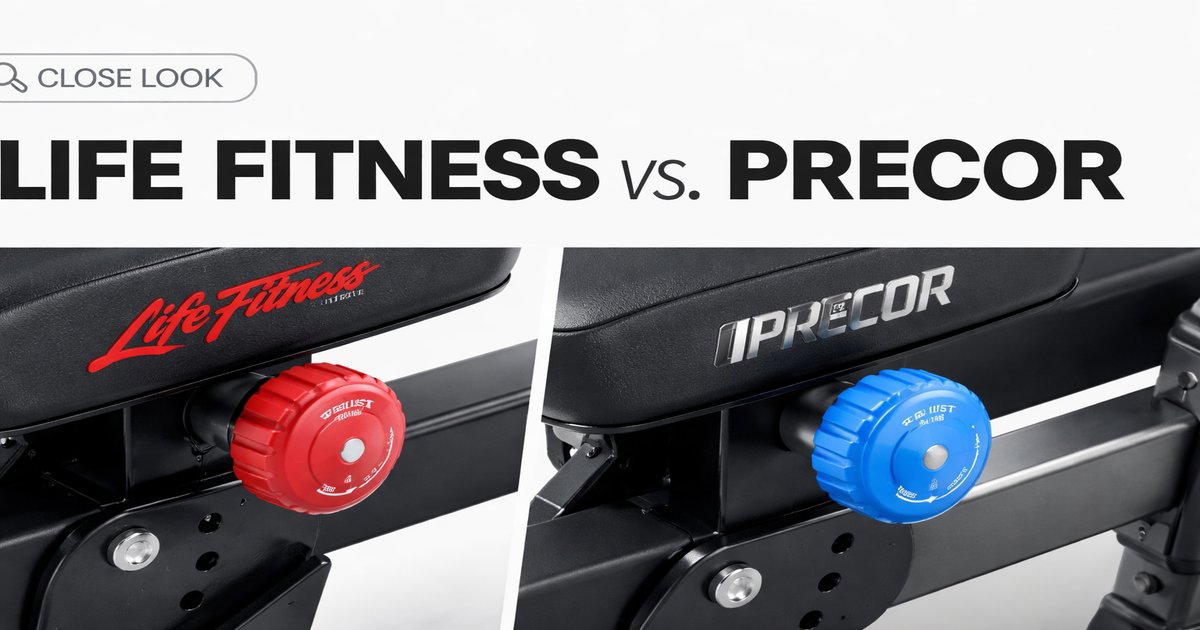
Picture this: You’re setting up a home gym, and the choice of an elliptical or a treadmill is giving you a headache. Life Fitness and Precor are both calling your name, each with a reputation for quality and durability. Let’s cut through the noise and figure out which one deserves a spot in your sweat sanctuary.
| Feature | Life Fitness | Precor |
|---|---|---|
| Warranty | 10 years frame, 2 years parts | 7 years frame, 3 years parts |
| Max User Weight | 400 lbs | 350 lbs |
| Console Display | LCD with touchscreen | LED with button controls |
| Bluetooth Connectivity | ✓ | ✓ |
| Incline Range | 0-15% | 0-12% |
| Price Range | $2,500 – $4,000 | $2,000 – $3,500 |
✅ life fitness Pros
- Higher max user weight capacity, perfect for heavier users.
- Advanced touchscreen display offers more interactive workouts.
- Wide incline range for more varied training sessions.
❌ life fitness Cons
- Typically more expensive than Precor.
- Touchscreen can be less responsive over time.
✅ precor Pros
- Generally more affordable, offering better value for budget-conscious buyers.
- Simpler LED interface is user-friendly and durable.
- Renowned for their smooth and natural motion, especially in ellipticals.
❌ precor Cons
- Lower max user weight might be a limitation for some users.
- Less advanced console technology could feel basic for tech lovers.
Performance
When it comes to performance, Life Fitness tends to edge out Precor, especially if you’re looking at treadmills or ellipticals. Life Fitness machines feel robust, and the higher incline range allows for more challenging workouts. If you’re a serious runner or someone who likes to push the limits, the additional incline and weight capacity are significant. On the other hand, Precor is renowned for its ellipticals that mimic natural movement, providing an exceptionally smooth experience. If your focus is on low-impact cardio, Precor should be seriously considered.
Build Quality
Both brands boast excellent build quality, but Life Fitness often feels more like the machines you find in commercial gyms. The frames are sturdy, and the materials used tend to wear better over time, justifying the higher price tag. Precor equipment, while also durable, sometimes sacrifices some of that heavy-duty feel for a lighter build. This makes it easier to move and manage in home settings but might not give you that same indestructible confidence during intense workouts.
Value
If the budget is a critical factor, Precor shines by offering solid performance without breaking the bank. It’s great for those who want a reliable machine without all the bells and whistles. However, if your budget allows, Life Fitness offers more advanced features and better long-term investment potential, thanks to its superior warranty and higher-end components. The extra upfront cost translates into a longer-lasting product with more features to keep you motivated.
Most reviews gloss over maintenance, but let’s be real. Life Fitness’s advanced screens might need more frequent updates and occasional recalibration. Precor’s simplistic design means fewer software issues, but its parts warranty is shorter, so keep an eye on wear and tear if you’re using it daily. Both machines are durable, but proper upkeep is critical to longevity.
Our Final Verdict: Which One Should You Buy?
If you’re a tech enthusiast or a serious fitness buff looking for commercial-grade quality, Life Fitness is the way to go. It’s ideal for those who love interactive workouts and need higher weight capacity. However, if you’re on a budget and prefer simplicity with effective performance, Precor offers excellent value, especially for users who prioritize low-impact exercise.
Is Life Fitness equipment worth the extra cost?
Yes, if you value higher tech features, durable build quality, and are looking for long-term investment, Life Fitness is worth the extra dollars.
Are Precor ellipticals really better for natural motion?
Absolutely. Precor is known for its natural, smooth stride that closely mimics real walking or running, reducing strain on your body.
How often should I maintain these machines?
Regular maintenance every 3-6 months is recommended for both brands to ensure longevity and optimal performance, including cleaning and checking for software updates or mechanical wear.