
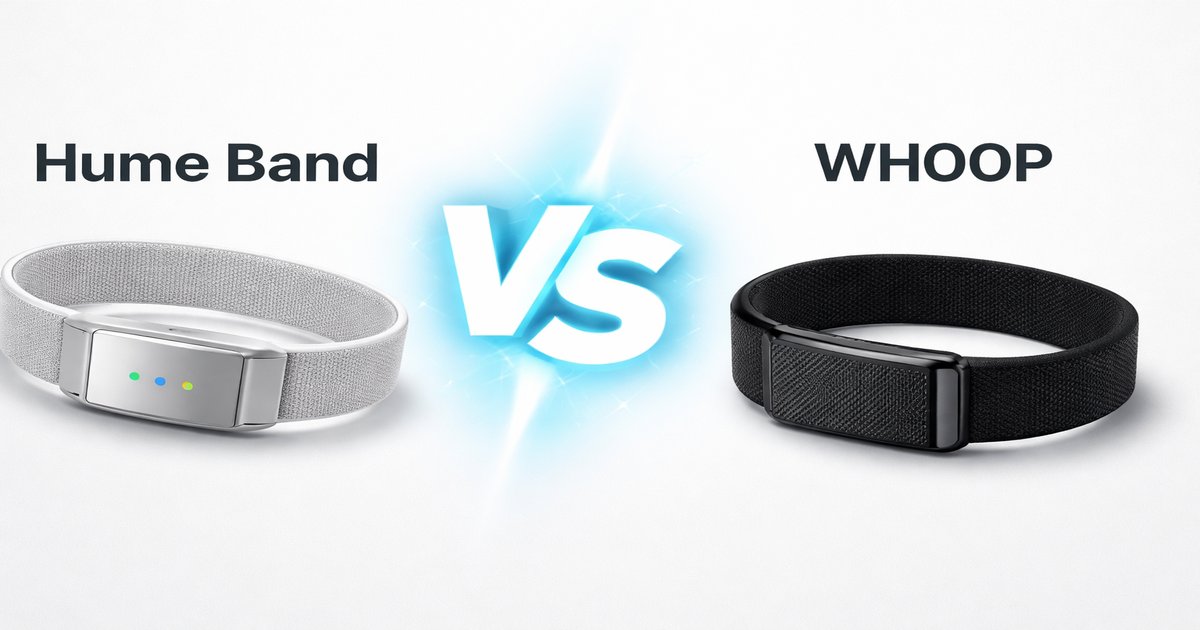
You’re serious about tracking your fitness progress, but the sea of wearables can be overwhelming. You’re eyeing the hume band and whoop, but which one will truly elevate your fitness game? Let’s break down the essentials so you can make an informed choice.
| Feature | hume band | whoop |
|---|---|---|
| Battery Life | 7 days | 5 days |
| Heart Rate Monitoring | ✓ | ✓ |
| Sleep Tracking | ✓ | ✓ |
| Subscription Required | ✗ | ✓ |
| Water Resistance | 50 meters | 10 meters |
| App Compatibility | iOS, Android | iOS, Android |
✅ hume band Pros
- Longer battery life than Whoop.
- No subscription fees.
- Greater water resistance.
❌ hume band Cons
- Bulky design can be uncomfortable.
- Limited advanced metrics compared to Whoop.
- App interface feels outdated.
✅ whoop Pros
- Advanced analytics for serious athletes.
- Sleek, comfortable design.
- Comprehensive recovery insights.
❌ whoop Cons
- Requires a subscription for full use.
- Shorter battery life.
- Limited water resistance.
Performance and Analytics
When it comes to performance metrics, Whoop takes the lead with its advanced analytics. If you’re an elite athlete or just someone who craves detailed recovery insights, Whoop provides rigorous data points like strain, recovery, and sleep performance. The hume band, while proficient in standard metrics like heart rate and basic sleep tracking, doesn’t dive as deep as Whoop. It’s more suited for casual fitness enthusiasts who want decent data without the complexity or additional cost of a subscription.
Build Quality and Design
Build quality can make or break a wearable. The hume band, while robust and water-resistant up to 50 meters, feels a bit chunky on the wrist. It’s not the most discreet, especially if you’re wearing it all day. Whoop, on the other hand, is designed to be sleek and unobtrusive. Its lightweight build and minimalist aesthetic make it easy to forget you’re wearing it, which is a significant plus if comfort is a priority for you.
Value for Money
If you’re budget-conscious, the hume band offers solid value with no recurring subscription fees. It’s a one-time purchase with enough features to satisfy most casual users. In contrast, Whoop’s subscription model might seem pricey but offers an unparalleled depth of data and insights for those who are serious about performance optimization. It’s an investment in your fitness journey, but only if you’ll utilize its full suite of features.
Most reviews gloss over the fact that the Whoop’s subscription model can become a financial burden if you’re not fully engaged with its features. Similarly, the hume band’s app interface is clunky; it’s not a dealbreaker, but it can be frustrating if you value a seamless user experience. Consider these factors before making a decision.
Our Final Verdict: Which One Should You Buy?
If you’re a detail-oriented athlete who thrives on in-depth analytics, the Whoop is your best bet despite the ongoing cost. However, if you want a reliable fitness tracker without the fuss of subscriptions and are okay with basic data, the hume band is a solid, budget-friendly option.
Is the hume band comfortable for all-day wear?
While the hume band is durable and water-resistant, its bulky design might be uncomfortable for smaller wrists during extended wear.
Do both devices require a smartphone for full functionality?
Yes, both the hume band and Whoop utilize smartphone apps to access detailed metrics and insights. Compatibility is available for both iOS and Android.
How long do these devices typically last?
The hume band has a longer battery life at around 7 days, while Whoop lasts about 5 days. Both devices are designed for long-term use but keep in mind Whoop’s need for a subscription.