
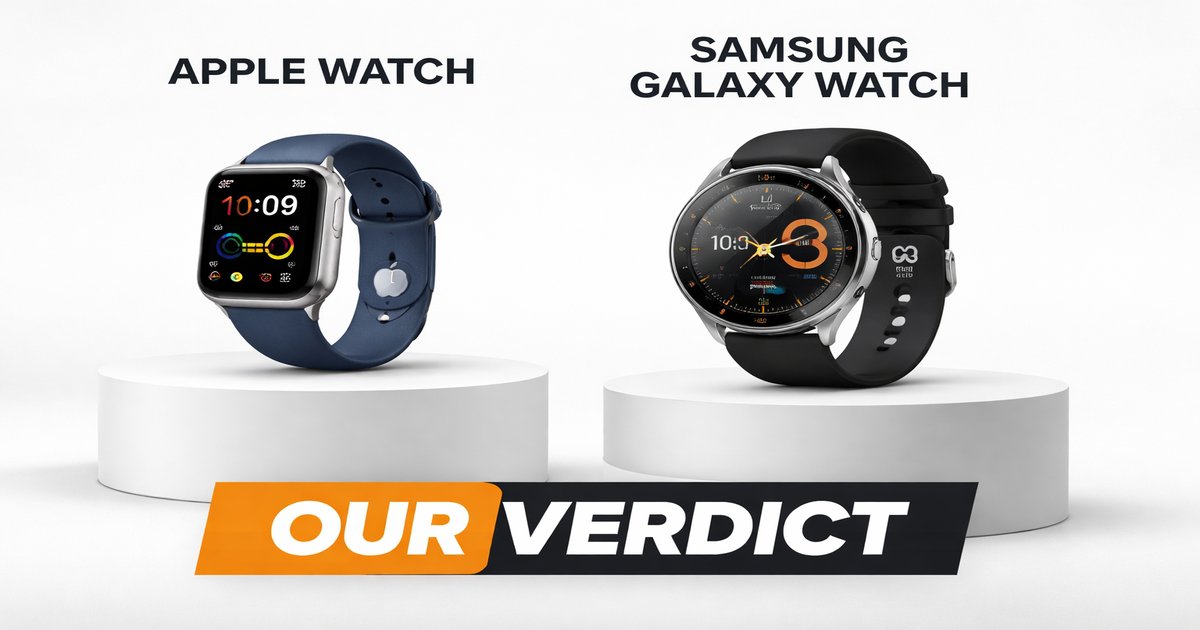
You’re in the market for a smartwatch, but you’re torn between Apple’s seamless ecosystem and Samsung’s feature-rich offerings. Both the Apple Watch and the Samsung Galaxy Watch boast impressive specs, but which one truly deserves a spot on your wrist for those morning runs or late-night notifications?
| Feature | Apple Watch Series 8 | Samsung Galaxy Watch 5 |
|---|---|---|
| Display Type | Retina LTPO OLED | Super AMOLED |
| Battery Life | 18 hours | 40-50 hours |
| Water Resistance | 50 meters | 50 meters |
| ECG Monitoring | ✓ | ✓ |
| LTE Connectivity | ✓ | ✓ |
| OS Compatibility | iOS only | iOS & Android |
✅ apple watch Pros
- Seamless integration with iPhone and Apple ecosystem.
- Wide range of apps and third-party support.
- Consistently smooth and responsive user interface.
❌ apple watch Cons
- Limited to iOS, no Android support.
- Relatively short battery life.
- Premium pricing compared to competitors.
✅ samsung galaxy watch Pros
- Compatible with both Android and iOS devices.
- Longer battery life compared to Apple Watch.
- Innovative health tracking features like body composition analysis.
❌ samsung galaxy watch Cons
- Less app variety and integration compared to Apple’s ecosystem.
- Interface can feel less intuitive at times.
- Design may not be as refined for some tastes.
Performance and Battery Life
When it comes to raw performance, both watches hold their own. The Apple Watch Series 8 runs on the S8 chip, making it snappy and efficient, especially when juggling multiple apps. However, if you don’t want to charge your watch every night, the Samsung Galaxy Watch 5 is the clear winner with a battery life that can stretch to two days. This makes it ideal for those who travel or have a busy lifestyle and don’t want to worry about constant recharging.
Build Quality and Design
The Apple Watch is the epitome of sleek and premium design, offering a range of customizable bands and finishes that make it a fashion statement. The digital crown and haptic feedback are standout features that enhance user interaction. On the other hand, the Samsung Galaxy Watch 5 offers a more rugged design, which some might find less appealing but others will appreciate for its durability. The rotating bezel is a functional touch, though it feels bulkier on the wrist.
Value for Money
If you’re already locked into Apple’s ecosystem, the Apple Watch is a no-brainer, offering flawless integration and a rich array of apps. However, its higher price might not justify the features for everyone. The Samsung Galaxy Watch 5 provides a more budget-friendly option with excellent health features and an extended battery life, making it a great choice for Android users who want flexibility without compromising on functionality.
The Apple Watch may seem like the holy grail of smartwatches, but if you’re not an iPhone user, it’s a non-starter. Meanwhile, the Samsung Galaxy Watch 5’s app ecosystem isn’t quite on par with Apple’s — so if third-party apps are your jam, you might feel a bit constrained. Also, the Apple Watch’s battery life is borderline laughable for heavy users, so plan your day around a charging schedule.
Our Final Verdict: Which One Should You Buy?
If you’re an iPhone user who values a sleek interface and seamless integration with your existing Apple devices, go for the Apple Watch Series 8. It’s perfect for those who want a smooth experience and are okay with daily charging. On the other hand, if you’re after a more versatile option with longer battery life and you use Android, the Samsung Galaxy Watch 5 offers fantastic value and functionality, especially if fitness tracking is a key focus.
Can the Samsung Galaxy Watch work with an iPhone?
Yes, it can work with an iPhone, but some features might be limited compared to using it with an Android device.
Is the Apple Watch waterproof?
It’s water-resistant up to 50 meters, which makes it suitable for swimming and general water activities.
How often do I need to charge these watches?
The Apple Watch typically needs daily charging, while the Samsung Galaxy Watch can last up to two days on a single charge.