
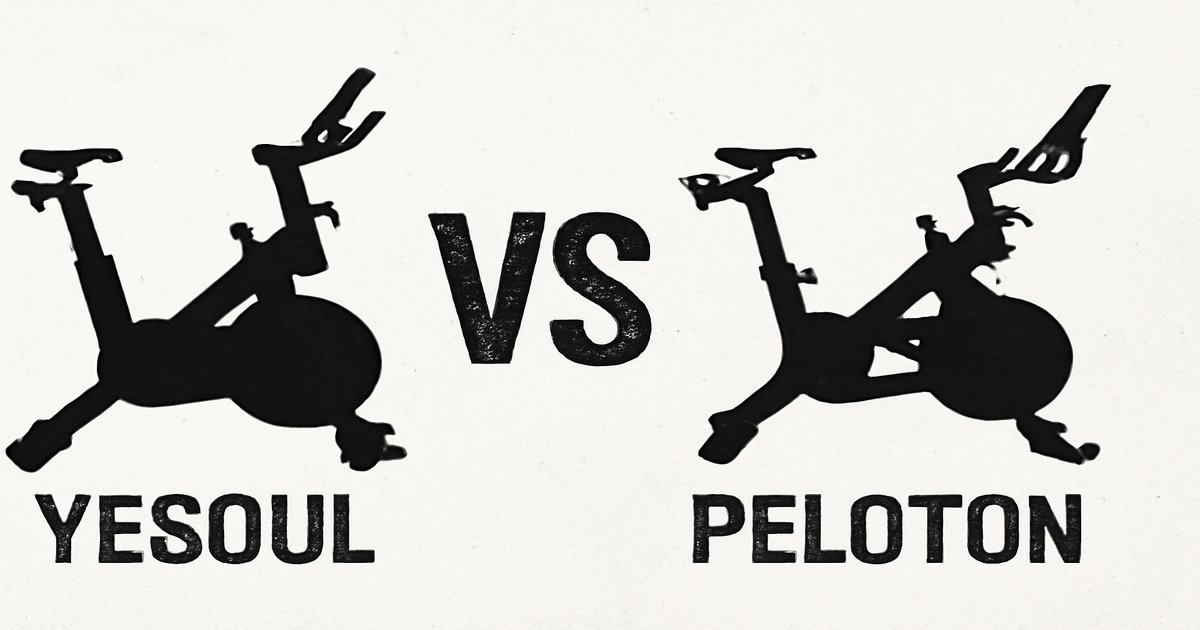
You’ve decided to invest in a stationary bike, but the choices are overwhelming. Yesoul and Peloton are two standout options, each with its own strengths and weaknesses. Do you want the luxury experience or are you after the best bang for your buck?
| Feature | Yesoul | Peloton |
|---|---|---|
| Price | $500 – $800 | $1,445 – $2,495 |
| Subscription Service | ✓ (optional) | ✓ (required) |
| Screen Size | 10.1 inches | 21.5 – 24 inches |
| Live Classes | ✗ | ✓ |
| Footprint | Small | Medium |
| Adjustability | Basic | Advanced |
✅ yesoul Pros
- Affordable entry-level pricing.
- Compact design fits in tight spaces.
- Optional subscription service saves money.
❌ yesoul Cons
- Smaller screen reduces immersion.
- Lacks live classes and community features.
- Basic adjustability may not suit all users.
✅ peloton Pros
- Top-notch interactive classes.
- Large, high-quality screen enhances experience.
- Comprehensive adjustability for personalized comfort.
❌ peloton Cons
- High cost is prohibitive for budget-conscious buyers.
- Subscription is necessary for full experience.
- Larger footprint requires more space.
Performance and Immersion
Yesoul offers a basic ride that’s perfect if you’re just starting out or short on space. Its smaller screen and lack of live classes might leave you wanting if you’re into interactive workouts. Peloton, on the other hand, is the king of immersion. With its massive screen and live, energetic classes, you’ll feel like you’re in a studio. If being part of a community and having a coach in your ear is your thing, Peloton’s superior in this department.
Build Quality and Adjustability
Peloton wins hands down when it comes to build quality and adjustability. It feels sturdy under you and offers advanced adjustability options for the handlebars and seat, making it ideal for households with multiple users. Yesoul, while serviceable, doesn’t match Peloton’s premium feel. It covers the basics but may leave taller or shorter users struggling to find a perfect fit.
Value and Cost Efficiency
If you’re watching your budget, Yesoul offers excellent value without mandatory subscriptions. You get a decent workout and save on upfront costs and ongoing fees. Peloton’s higher price point might sting, but if you can swing it, the immersive experience and community could be worth the investment. Just remember, with Peloton, the subscription is non-negotiable if you want the full package.
Yesoul’s app connectivity can be hit-or-miss, so tech-savvy users may find it frustrating. Peloton’s subscription is a recurring commitment that adds up, and their bikes aren’t the easiest to move around once they’re set up. Not deal-breakers, but worth keeping in mind.
Our Final Verdict: Which One Should You Buy?
If you’re a budget-conscious beginner or have limited space, Yesoul is a smart choice. It covers the basics at a fraction of the cost. But if you crave an immersive experience and are willing to invest in your fitness journey, Peloton is unparalleled. It’s perfect for those who thrive on community and high-quality interactive workouts.
Is the Yesoul bike compatible with other fitness apps?
Yes, it can connect with several third-party apps like Zwift and Kinomap, but expect occasional connectivity issues.
How often does the Peloton bike require maintenance?
Routine maintenance is minimal, but you should regularly check bolts and keep the bike clean to ensure longevity.
Can I use the Peloton bike without a subscription?
Technically yes, but you’ll miss out on live classes and upgraded metrics, which are the main selling points.