
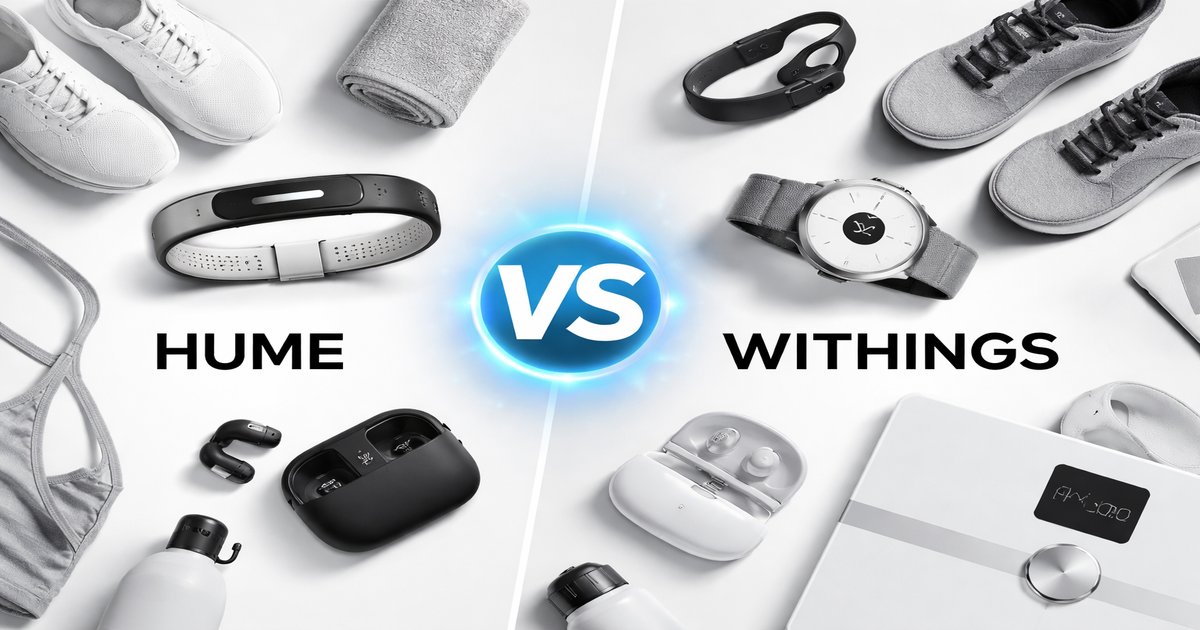
You’re in the market for a new fitness tracker, and you’re torn between Hume and Withings. These two brands promise to elevate your health game, but which one truly delivers? Let’s break it down so you can make the best choice for your lifestyle.
| Specification | Hume | Withings |
|---|---|---|
| Heart Rate Monitoring | ✓ | ✓ |
| Sleep Tracking | ✓ | ✓ |
| Battery Life | 7 days | 25 days |
| Water Resistance | Up to 50m | Up to 50m |
| GPS | Connected GPS | Built-in GPS |
| Price | $120 | $180 |
✅ hume Pros
- Affordable price point.
- Lightweight and comfortable design.
- Good heart rate monitoring accuracy.
❌ hume Cons
- Shorter battery life compared to competitors.
- Lacks built-in GPS.
✅ withings Pros
- Exceptional battery life.
- Built-in GPS for standalone tracking.
- Advanced health metrics like ECG.
❌ withings Cons
- Higher price tag.
- Slightly bulkier than Hume.
Performance and Tracking Features
When it comes to tracking features, Withings pulls ahead with its built-in GPS, allowing you to leave your phone at home during runs. Hume offers connected GPS, which means your phone needs to tag along. Both devices monitor your heart rate and sleep, but Withings takes it a step further with advanced metrics like ECG. If you’re a fitness enthusiast who doesn’t want to compromise on tracking capabilities, Withings is a clear winner. However, if you’re just starting out and want something functional without overkill, Hume does a solid job.
Build Quality and Design
Hume wins points for its lightweight, comfortable design, making it ideal for all-day wear. If you dislike the feeling of bulk on your wrist, Hume might be more up your alley. Withings, while slightly heavier, offers a robust build that feels premium. It’s the kind of watch that can withstand a few bumps along the way, making it suitable for more rugged activities. If durability is a top priority, Withings edges out Hume.
Value for Money
On the financial front, Hume is undoubtedly the more budget-friendly option at $120. This makes it appealing for those just dipping their toes into the world of fitness trackers. Withings, priced at $180, demands a higher upfront investment but justifies it with features like built-in GPS and a 25-day battery life. If your budget allows, Withings offers more bang for your buck in terms of functionality and longevity.
While both trackers promise water resistance, don’t push them to the limit. They’re fine for a splash or two, but constant exposure to water isn’t advisable. Also, Hume’s app can be a bit glitchy, especially when syncing workouts. Withings, while generally stable, could improve on its customer support response times.
Our Final Verdict: Which One Should You Buy?
For the casual user or someone new to fitness tracking, Hume offers a solid baseline without breaking the bank. It’s perfect for those who value comfort and are okay with keeping their phone nearby. On the other hand, if you’re a seasoned athlete or tech-savvy individual looking for comprehensive features and don’t mind spending a bit more, Withings is your go-to choice. Its advanced metrics and longer battery life make it a fantastic tool for in-depth health analysis.
Is Hume compatible with all smartphones?
Hume is compatible with most iOS and Android devices, but it’s always a good idea to check the specific app requirements before purchasing.
How long can Withings really last before needing a recharge?
Withings boasts a battery life of up to 25 days, but real-world usage like frequent GPS tracking might reduce this slightly.
How does the water resistance hold up?
Both devices are water-resistant up to 50 meters, suitable for swimming and showering, but prolonged underwater use could affect longevity.