
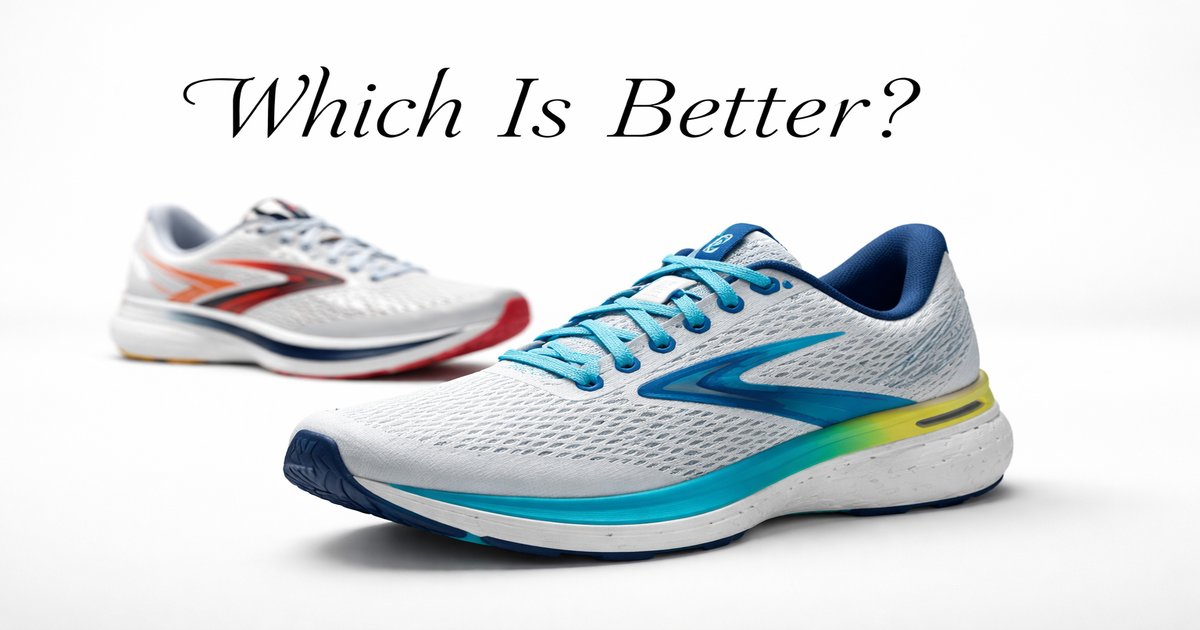
You’ve been hitting the pavement for weeks, and your trusty old running shoes are finally giving out. Faced with countless brands and models, Brooks and Saucony are likely in your shortlist. Both are giants in the running world, but which one is truly worth your hard-earned cash?
| Feature | Brooks Ghost 14 | Saucony Ride 15 |
|---|---|---|
| Cushioning | DNA LOFT | PWRRUN |
| Weight | 9.9 oz (Men’s size 9) | 9.4 oz (Men’s size 9) |
| Heel-to-Toe Drop | 12mm | 8mm |
| Arch Support | Neutral | Neutral |
| Breathability | ✓ | ✓ |
| Price | $140 | $140 |
✅ brooks Pros
- Exceptional cushioning perfect for long-distance running.
- Durability that keeps you going mile after mile.
- Wide variety of widths for a customized fit.
❌ brooks Cons
- Heavier than some competitors, which might slow you down.
- Higher heel-to-toe drop may not suit every runner.
✅ saucony Pros
- Lightweight design that doesn’t compromise on support.
- Lower heel-to-toe drop for a more natural stride.
- Breathable mesh upper keeps feet cool during intense runs.
❌ saucony Cons
- Some runners find the cushioning too firm for long distances.
- Less variety in widths compared to Brooks.
Performance
If you’re clocking in high mileage regularly, Brooks Ghost 14 is your reliable workhorse. Its DNA LOFT cushioning provides a plush, smooth ride that absorbs impact, which is a godsend for those long runs. However, the Saucony Ride 15, with its PWRRUN cushioning, offers a firmer underfoot feel. It’s more responsive, making it a better choice for speed work or shorter races. If you feel bogged down by your shoes during sprint intervals, Saucony’s lighter feel will be a breath of fresh air.
Build Quality
Brooks has a reputation for durability that it maintains with the Ghost 14. You can expect these shoes to take a beating without showing signs of wear too soon. Their robust build is ideal if you’re rough on shoes or frequently run on varied terrain. Saucony, on the other hand, has slightly less durability but compensates with a more breathable mesh upper. This makes it a fantastic choice if you’re running in hot climates or tend to have sweaty feet.
Value for Money
Both shoes sit at a similar price point, but where Brooks pulls ahead is in the long-term value. Because of their durability, you might find yourself needing fewer replacements over time, which is a big win for budget-conscious runners. Saucony offers a lighter, faster shoe at the same price, which is great if you’re focused on performance gains. However, if you’re seeking longevity, Brooks is your better bet.
Brooks can feel bulky, especially if you’re used to lighter shoes. That extra weight might not be noticeable on shorter runs but becomes a factor as distances increase. On the flip side, Saucony’s firmer cushioning might not be the most forgiving for those with sensitive joints or who prefer a softer landing.
Our Final Verdict: Which One Should You Buy?
For those who prioritize comfort and longevity, Brooks Ghost 14 is your go-to. It’s ideal for marathoners or anyone who covers serious distance regularly. If you’re someone who values a lightweight shoe with a bit more spring, Saucony Ride 15 caters to the speed demons and interval enthusiasts. Don’t let the similar price tag fool you—choose based on your running style and specific needs.
Is the fit true to size for both brands?
Brooks tends to offer a more generous fit, especially with their wide options. Saucony is known for a snugger fit, so consider sizing up if you’re between sizes.
How long can I expect each shoe to last?
Brooks Ghost typically holds up for 400-500 miles due to its durable construction. Saucony Ride may see about 300-400 miles, especially for heavier or more aggressive runners.
Are these shoes good for trail running?
Neither shoe is designed specifically for trails. However, Brooks’ durability might handle light trails better, while Saucony’s lightweight nature is best kept to well-maintained paths.