
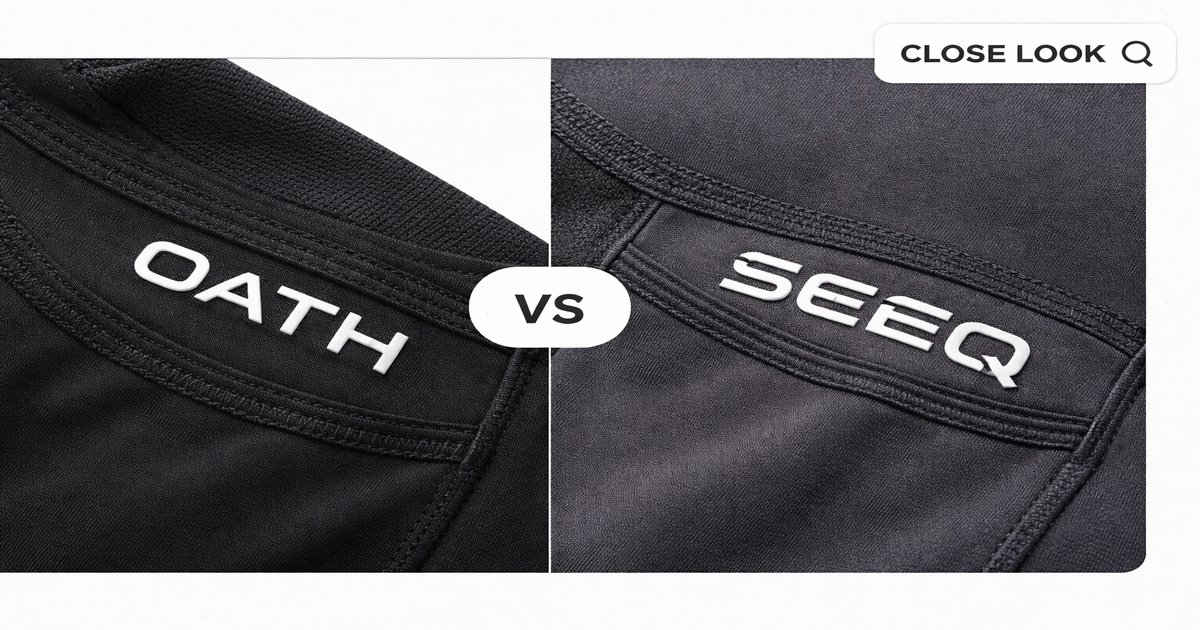
You’re in the market for a new fitness tracker, but the choices are endless. You’ve narrowed it down to oath and seeq, but which one really deserves a spot on your wrist? Let’s break it down so you can make an informed decision without the headache of sifting through endless reviews.
| Specification | oath | seeq |
|---|---|---|
| Battery Life | 7 days | 5 days |
| Water Resistance | ✓ 50m | ✓ 30m |
| Heart Rate Monitoring | ✓ | ✓ |
| GPS | ✓ | ✗ |
| Companion App | Advanced | Basic |
| Price | $199 | $149 |
✅ oath Pros
- Longer battery life at 7 days.
- Superior water resistance (50m).
- Built-in GPS for accurate tracking.
❌ oath Cons
- Higher price point.
- Companion app can be overwhelming with features.
✅ seeq Pros
- More affordable pricing.
- Lightweight and comfortable for all-day wear.
- Simpler app interface for easy use.
❌ seeq Cons
- Shorter battery life.
- No built-in GPS, relying on phone connection.
Performance: The Daily Grind
When it comes to daily performance, oath’s 7-day battery life and built-in GPS make it a workhorse for serious fitness enthusiasts. Forget the need to constantly recharge or carry your phone for tracking your jogs or hikes. It’s your ideal companion for long runs or adventure hikes. On the other hand, seeq, while lacking GPS, offers a lightweight design and a straightforward interface, making it perfect for those who want simplicity and comfort during everyday activities without the extra bulk.
Build Quality: Toughness Matters
In terms of build quality, oath boasts a robust design with a 50m water resistance rating, giving you peace of mind whether you’re swimming or caught in the rain. It’s built to last and withstands the elements like a champ. Meanwhile, seeq offers adequate toughness with a 30m water resistance, which is fine for light rain or splashes but not for a full-fledged swim session. The simplicity of its design means it’s less likely to suffer from mechanical issues, but it doesn’t match oath’s durability.
Value for Money: Getting Your Buck’s Worth
oath’s higher price tag comes with advanced features like GPS and a highly detailed app, offering great value for tech-savvy users. If you’re focused on comprehensive health data and don’t mind navigating a more complex app, it’s worth the investment. Conversely, seeq’s budget-friendly price and user-friendly design make it a great choice for someone just starting their fitness journey or who needs a straightforward tool for basic tracking without breaking the bank.
While oath’s extensive features are impressive, the app can be a bit much if you’re not a tech enthusiast—lots of data that may go unused. On the flip side, seeq’s absence of GPS means it’s not ideal for runners who like to track their routes without a phone, which is a deal-breaker for some.
Our Final Verdict: Which One Should You Buy?
If you’re a dedicated athlete or tech lover who values in-depth analytics and can handle a higher price, oath is your pick. It’s built for those who need advanced features and durability. On the contrary, if you’re a casual user seeking affordability and simplicity, seeq provides all the essentials without the fuss. It’s perfect for the everyday fitness enthusiast who wants to keep things light and uncomplicated.
Is the oath fitness tracker comfortable for small wrists?
Yes, oath comes with adjustable straps that fit a variety of wrist sizes, ensuring comfort even for smaller wrists.
Can seeq sync with third-party fitness apps?
Yes, seeq can sync with popular third-party apps, but the integration isn’t as seamless as some higher-end models.
How durable are these trackers in the long term?
Both trackers are built with durability in mind, but oath’s superior water resistance and build quality generally offer better longevity.